Winter Car Insurance Claims: Ice, Branches, and Deer
Understand collision and comprehensive coverage for winter incidents, then collect the records an insurer may need to assess a claim.
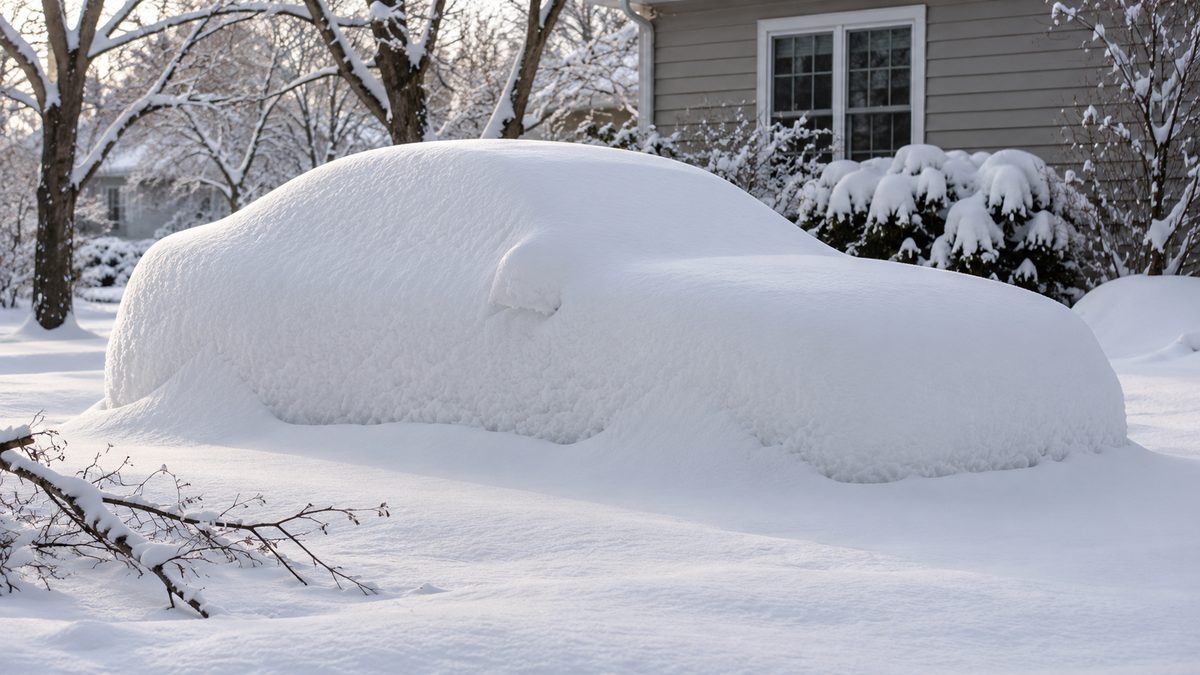
Sliding on ice into a guardrail generally involves collision coverage; a falling branch or direct impact with a deer generally involves comprehensive coverage. The cause of the damage, the coverage you purchased, and your deductible determine how your own policy may respond.
Winter weather does not create a separate all-purpose benefit. A policy covering liability alone generally will not pay to repair your vehicle after you slide into a tree. Check the declarations page before assuming a weather-related loss is insured.
Classify the impact, then check the policy
Collision generally covers damage from colliding with another vehicle or object, or from overturning. Comprehensive generally covers certain other causes, such as theft, falling objects, and contact with animals. Policy language and the sequence of events still matter.
The distinction becomes especially useful when an animal is involved. Hitting a deer directly usually falls under comprehensive. Swerving to avoid the deer and striking a fence usually falls under collision. Describe what happened in order instead of assigning a coverage label yourself.
| Winter incident | Coverage commonly relevant to your car | Evidence to preserve |
|---|---|---|
| Slide into a guardrail | Collision | Impact location, road conditions, vehicle damage |
| Strike another vehicle on ice | Collision; liability for covered harm to others | Driver information, scene photos, witness details |
| Branch falls onto a parked car | Comprehensive | Branch, impact point, surrounding scene |
| Direct impact with a deer | Comprehensive | Damage pattern and safe scene photographs |
| Avoid deer, then hit a tree | Collision | Your account of the sequence and impact |
| Ice damages vehicle glass | Comprehensive or glass provisions | Glass damage and source if known |
Separate glass coverage or deductible provisions may apply. Confirm them before booking a replacement. For definitions beyond these examples, see car insurance coverage explained.
Read the deductible before deciding about repairs
Your declarations page should show whether collision and comprehensive are included and list their deductibles. Those deductibles can differ. A covered event can still produce little or no insurer payment if the repair cost does not exceed the applicable deductible.
Get an estimate when safe and practical, but follow the policy's reporting duties. Do not delay a required notification while waiting to decide whether a claim seems worthwhile. Ask how to report an incident and what happens if you later handle repairs yourself.
If your vehicle is financed or leased, the agreement may require physical damage coverage and particular repair arrangements. Your lender's requirements do not expand the insurance contract. Review both documents if the vehicle cannot be driven or may be a total loss.
The phrase full coverage can obscure these details. Read full coverage versus liability only and check the actual coverage names rather than relying on shorthand used when you bought the policy.
Put roadside safety ahead of photographs
After a crash, look for injuries and immediate hazards. Contact emergency services when needed. Move to a safer location if possible and appropriate, following directions from responders and local requirements. Stay away from moving traffic and unstable trees or power lines.
Do not walk into a dangerous road position to photograph skid marks. Ice may be difficult to see, and another driver can lose control at the same location. Your description and safely obtained records are more useful than an injury sustained collecting evidence.
An injured animal can also be dangerous. Keep your distance and contact the appropriate local authority. If the car has leaking fluids, damaged tires, broken lights, or uncertain steering, arrange assessment or towing rather than assuming a short drive is harmless.
Record the sequence while it is fresh
Write down the location, approximate time, direction of travel, and what happened before each impact. Note road conditions as observations: visible ice, falling snow, standing water, or a blocked lane. Avoid guessing your speed or another driver's behavior when you cannot reliably recall it.
Photograph the vehicle from multiple safe angles, then take closer views of damaged areas. Include nearby objects involved in the impact if accessible. Preserve original files so later cropping does not remove context. Record contact information for witnesses willing to provide it.
When another vehicle is involved, exchange the information required in your state. Keep any incident or police report reference and ask how to obtain a copy. A report may help document the event, but the insurer still evaluates the policy and evidence.
For a falling branch, photograph where the car was parked and the branch if it remains safe to approach. If ownership or maintenance becomes disputed, avoid promising payment or blaming a neighbor before the relevant facts are established.
Ask about towing, storage, and substitute transport
Towing and roadside assistance can have separate terms. Rental reimbursement is also a distinct coverage, generally subject to qualifying conditions and limits. Physical damage coverage alone does not guarantee a rental car or unlimited towing reimbursement.
Before authorizing a tow when you have a choice, ask where the vehicle will go, how charges are calculated, and whether storage fees accrue. Give the insurer the vehicle's location promptly. Keep authorization forms and itemized bills.
If the insurer supplies a rental, ask when reimbursement begins and ends, what expenses remain yours, and what occurs after a total-loss offer. Confirm the terms before relying on the rental for an extended period.
Preserve evidence while preventing further damage
Take reasonable steps to protect the car from additional loss when you can do so safely. A temporary cover over broken glass may help, but do not perform hazardous repairs. Ask the insurer before disposing of damaged parts or approving work that could prevent inspection.
Keep receipts for protective measures, towing, estimates, and repairs. Ask the shop to document hidden damage and seek any required supplemental approval. If a disputed expense appears on a bill, request an explanation before signing a broad release.
Finally, save the coverage decision, estimate, deductible calculation, and payment explanation. If you disagree, identify the factual or policy issue and ask for a written review. The premium change overview provides context for later renewal questions, while the NAIC can help you locate state insurance consumer resources.
This is general information, not insurance or legal advice. Follow your policy and local reporting requirements, and consult your insurer or a licensed professional about a specific winter claim.
Frequently asked
Does a parked car damaged by another driver use comprehensive coverage?
Usually that is a collision situation, even while your car is parked. Recovery through the other driver or your own coverage depends on the facts, insurance, and applicable rules.
Can I choose my own repair shop?
Ask your insurer about repair arrangements and check state rules. Clarify estimate differences, parts, supplements, and any warranty before authorizing work.
What if I discover damage after the snow melts?
Photograph it when discovered and report it promptly. Explain what you know about timing without guessing a cause or inventing an incident date.
Will filing a winter claim raise my premium?
The effect depends on the insurer, claim history, event, and state rules. Ask about the specific claim rather than assuming weather-related damage cannot affect pricing.
Sources
Keep reading
Auto & Home Insurance Car Insurance Coverage Explained, Line by Line
What liability, collision, comprehensive, uninsured motorist and PIP each pay for, what state minimums leave exposed, and which limits to raise.
September 1, 20267 min read
Auto & Home Insurance Full Coverage vs. Liability Only: When to Drop Collision
Whether to keep collision and comprehensive on an ageing car: the arithmetic, the 10% rule, and four situations where dropping them is a mistake.
October 1, 20266 min read
Auto & Home Insurance Why Did My Car Insurance Go Up When I Didn't File a Claim?
Why premiums rise without a claim (rate filings, repair costs, credit-based insurance scores and expiring discounts), and what actually works.
September 17, 20267 min read
Auto & Home Insurance Travel Insurance for Holiday Trips: What to Read First
Check cancellation reasons, emergency medical coverage, exclusions, and card benefits before buying insurance for a holiday trip.
October 24, 20265 min read